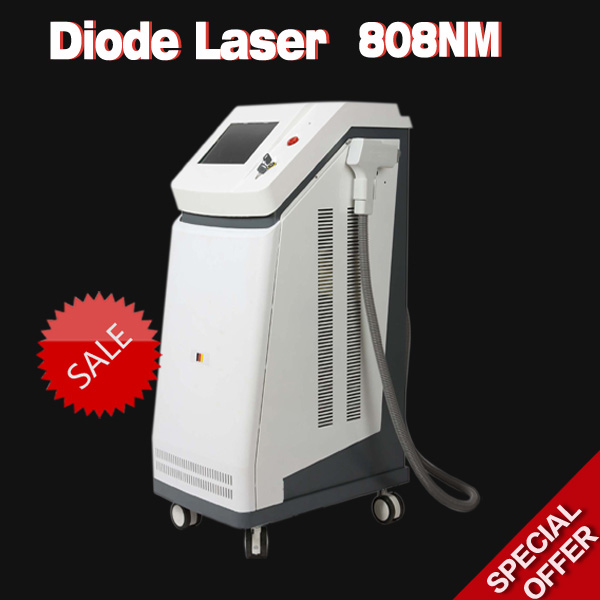
What is the 808nm Diode Laser Beauty Machine
Diode laser hair removal is a professional procedure that uses a specific wavelength of light (typically 800–810 nm) to target melanin in hair follicles, heating and disabling them to reduce hair growth. While it’s often performed in clinics, at-home diode laser devices are available for personal use. Below is a step-by-step guide to performing diode laser hair removal safely and effectively, based on standard practices and safety considerations. Note that professional treatments are generally safer and more effective, and at-home use requires caution.
### Step-by-Step Guide to Diode Laser Hair Removal
#### 1. **Preparation (Before Treatment)**
- **Check Skin and Hair Suitability**: Diode lasers work best on darker hair with lighter skin (Fitzpatrick skin types I–IV) due to the contrast in melanin. Avoid treatment if you have very dark skin (types V–VI), light blonde, red, or gray hair, as these may not respond well or could risk burns.
- **Consult a Professional (Optional)**: If unsure about your skin type or device, consult a dermatologist or licensed technician.
- **Choose a Quality Device (for At-Home Use)**: Ensure the device is FDA-cleared for safety (e.g., Tria 4X or other reputable brands). Read the manual thoroughly.
- **Shave the Area**: 24–48 hours before treatment, shave the target area to remove surface hair. This allows the laser to focus on the follicle beneath the skin. Do **not** wax, pluck, or epilate, as these remove the hair root, which the laser needs to target.
- **Clean the Skin**: Wash the area with mild soap to remove oils, lotions, or makeup. Dry thoroughly.
- **Avoid Sun Exposure**: For 2–4 weeks before treatment, avoid tanning, sunbathing, or self-tanning products, as increased melanin in the skin can cause burns or hyperpigmentation.
- **Patch Test**: Perform a patch test on a small area 24 hours before full treatment to check for adverse reactions (redness, burns, or irritation).
#### 2. **Setting Up the Device**
- **Read Instructions**: Follow the manufacturer’s guidelines for your specific device (professional or at-home).
- **Select Energy Level**: For at-home devices, start with the lowest energy setting, especially if you’re new to laser hair removal or have sensitive skin. Professional devices are adjusted by technicians based on skin and hair type.
- **Wear Protective Eyewear**: Use laser-safe goggles (provided with professional or at-home devices) to protect your eyes from the laser light.
#### 3. **Performing the Treatment**
- **Position the Device**: Hold the laser handpiece perpendicular to the skin, ensuring full contact with the treatment area.
- **Apply the Laser**:
- For at-home devices: Press the device against the skin and activate the laser pulse (usually by pressing a button). Move to the next area, avoiding overlap to prevent burns.
- For professional devices: Technicians will use a grid-like pattern to ensure even coverage, often applying a cooling gel or using a device with built-in cooling to reduce discomfort.
- **Work in Small Sections**: Treat small areas (e.g., upper lip, underarms) systematically to ensure no spots are missed.
- **Monitor Comfort**: You may feel a warm, prickling sensation or mild sting. If it’s painful, stop and lower the energy setting or consult a professional.
- **Treatment Duration**: Sessions typically last 10–60 minutes, depending on the area (e.g., 5 minutes for the upper lip, 30 minutes for legs).
#### 4. **Post-Treatment Care**
- **Cool the Skin**: Apply a cold compress or aloe vera gel to soothe redness or swelling, which is normal and usually subsides within hours.
- **Avoid Heat**: For 48 hours, avoid hot showers, saunas, or exercise that causes sweating, as these can irritate the skin.
- **Protect from Sun**: Apply broad-spectrum SPF 30+ sunscreen daily for at least 2 weeks to prevent hyperpigmentation.
- **Moisturize**: Use a gentle, fragrance-free moisturizer to keep the skin hydrated.
- **Expect Hair Shedding**: Treated hairs may appear to “grow” for 1–2 weeks before falling out. Do not pluck them; let them shed naturally.
#### 5. **Follow-Up Treatments**
- **Treatment Schedule**: Hair grows in cycles, so multiple sessions are needed. Treat every 4–6 weeks for 6–8 sessions (or more, depending on the area and hair type). Maintenance sessions may be needed every 6–12 months.
- **Track Progress**: Results vary, but you should notice thinner, sparser hair after 2–3 sessions.
### Safety Tips
- **Avoid if Contraindicated**: Do not use laser hair removal if you’re pregnant, have active skin infections, tattoos in the treatment area, or are taking photosensitizing medications (e.g., isotretinoin or certain antibiotics). Consult a doctor if unsure.
- **Check Device Maintenance**: Ensure at-home devices are clean and functioning properly. Professional devices should be serviced regularly.
- **Stop if Adverse Effects Occur**: Discontinue use and seek medical advice if you experience burns, blisters, or persistent pain.
- **Professional vs. At-Home**: Professional treatments are more powerful, precise, and safer due to technician expertise and medical-grade equipment. At-home devices are less potent but convenient for smaller areas.
### Additional Notes
- **Effectiveness**: Diode lasers are highly effective for permanent hair reduction (up to 70–90% reduction after a full course), but results depend on hair color, skin type, and adherence to the schedule.
- **Cost**: Professional sessions cost $50–$300 per session, depending on the area. At-home devices range from $200–$500 but require no recurring fees.
- **Pain Level**: Mild to moderate discomfort is common, often described as a rubber band snap. Cooling systems or numbing creams (for professional treatments) can help.
If you want to learn more, can visit our company site is: www.ruipufactory.com
Tags:diode laser hair removal beauty machine
